
On the Gold Coast, your listing competes for attention against thousands of other beachfront apartments, hinterland hideaways and family-sized houses. A great photo gets the click, but a great Airbnb listing description is what turns a curious browser into a confirmed booking. It sets expectations, answers questions before they are asked, and quietly tells the right guest, “this is the one.”
Writing a listing that books is not about being a professional copywriter. It is about covering the right things in the right order, and being honest and specific while you do it. This checklist walks through every part of your listing, from the title to the fine print, with practical tips for hosts letting properties in Surfers Paradise, Broadbeach, Burleigh Heads and across South East Queensland.
Why your Airbnb listing description does the heavy lifting
Most guests do not read listings word for word. They scan for the handful of details that matter to them, then decide in seconds whether to keep reading. Your job is to make those seconds count by putting the most useful information where they will actually see it.
There is a search angle too. Airbnb tends to favour complete, well-filled-out listings over thin ones, and listings that earn more clicks, saves and bookings get shown to more people over time. With 14.4 million visitors choosing the Gold Coast in 2025, the demand is there. A sharper listing helps you capture more of it.
1. Nail your listing title (under 50 characters)
Your title is the first thing a guest reads in search results, so it has to work hard in a small space. Airbnb gives you 50 characters, and on a phone only the first 32 or so show before the text trims off, so lead with what matters most. Airbnb’s own title guidelines suggest sentence case rather than capitalising every word, and skipping emojis and repeated punctuation that read as spammy.
A reliable formula is a standout feature plus the property type plus a location cue. “Beachfront 2-bed with pool, steps to Broadbeach” tells a guest far more than “Lovely apartment, great location.” Skip details Airbnb already shows automatically, like your suburb or bed count, and use that space for something a guest cannot get anywhere else.
2. Lead with one strong opening line
The main description field is capped at 500 characters, and on mobile only the first 295 or so appear before a guest has to tap “show more.” So your opening sentence is the most valuable real estate in the whole listing. Use it to capture your strongest selling point and a location signal in one breath.
Compare two openers. Weak: “Welcome to our home, we hope you enjoy your stay.” Strong: “Wake up to ocean views and walk to Burleigh’s cafes, beach and headland in under five minutes.” The second paints a picture and gives a guest a reason to read on. As Airbnb advises, lead with what matters most and avoid repeating information that already lives elsewhere in your listing.
3. Write for one specific guest, not everyone
You cannot be all things to all people, and trying to be usually produces a bland listing that excites no one. Picture the guest who suits your property best and write directly to them. A three-bedroom house near the theme parks should speak to families, mentioning the fenced yard, the second living space and the easy drive to Movie World. A stylish apartment on Chevron Island should speak to couples after a weekend of restaurants and river views. Once you know who you are writing for, the features you highlight and the photos you lead with all fall into place.
4. Sell the experience, not just the features
A list of amenities tells a guest what is in the property. Good copy tells them what it will feel like to be there. Instead of “large balcony,” try “a sunny balcony made for morning coffee and sunset wines over the broadwater.” Instead of “fully equipped kitchen,” try “a proper kitchen for the nights you would rather cook in than eat out.”
Lean on specific, sensory language and cut the generic filler. Words like “great,” “nice” and “lovely” do no work, because every listing uses them. Every sentence should either paint a picture or answer a real question. If it does neither, delete it.
5. Use the extra sections, not just the summary
That 500-character limit only applies to the main summary. The deeper sections, including The Space, Guest access and Other things to note, give you plenty of room to be thorough. This is where the practical detail belongs: the layout, the bed configuration, parking, the WiFi for remote workers, and anything that helps a guest picture the stay. Keep it scannable with short paragraphs and simple bullet points for amenities, so a guest skimming on their phone can find what they need without wading through a wall of text.
6. Get your location section right
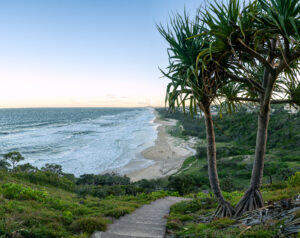
Location sells on the Gold Coast, so be specific and be local. Guests shortlist around the things they want to be near, so name them: walking time to the beach, which patrolled beach is closest, distance to the G:link light rail, an easy run to Pacific Fair or the theme parks. Real, checkable details build trust in a way vague claims never will. Think about what your ideal guest is genuinely searching for and tell them, rather than making them work it out for themselves.
7. Be honest about the quirks
It is tempting to gloss over the less perfect parts of a property, but honesty is what protects your reviews. If there are three flights of stairs, a steep driveway, some road noise on a Friday night or a compact second bedroom, say so plainly. Guests who book anyway arrive with the right expectations, and the ones who would have been disappointed self-select out before they cost you a one-star review. Accurate descriptions lift your rating over time, and a strong rating is exactly what helps your listing climb in search and command better nightly rates.
8. Make your photos and your words tell the same story
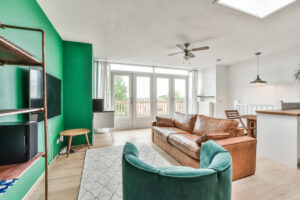
Your description and your photos are a team. The words should reflect what is in the images, and the images should back up every claim in the copy. Your first photo carries the most weight, so lead with your hero shot, whether that is the ocean view, the pool or a beautifully styled living space.
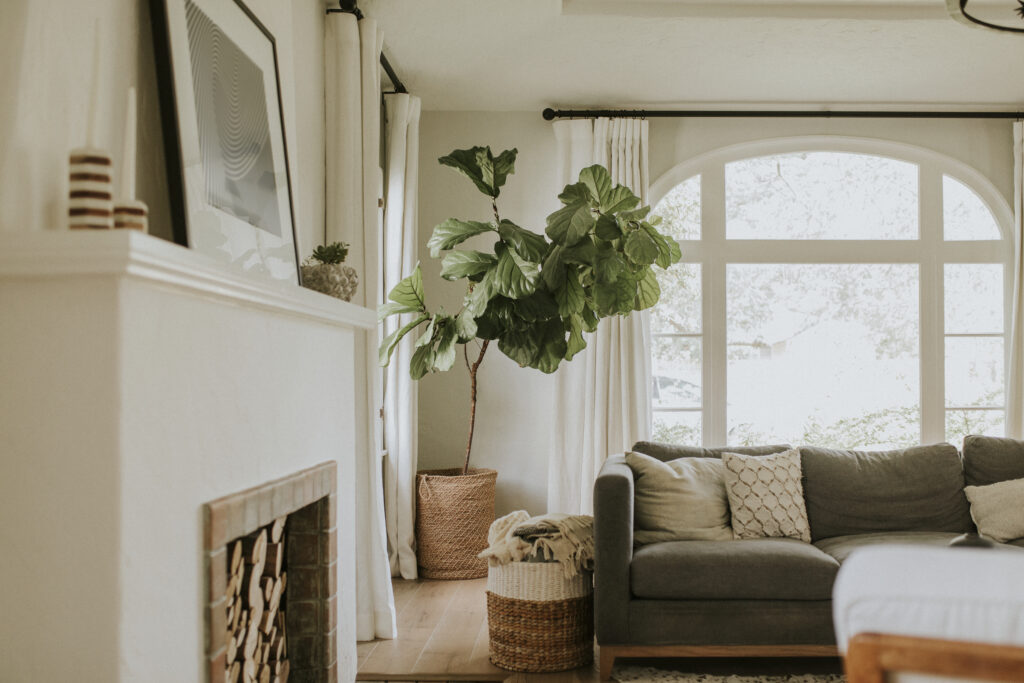
Professional, well-lit photos of a tidy, well-presented property will always outperform phone snaps of a cluttered room. This is where styling and furnishing your property pays off, because a styled space photographs better and reads better. For inspiration, it is worth a look through our managed Gold Coast listings to see strong presentation and clear copy working together.
Common mistakes to avoid
- Burying the lead: opening with “welcome” instead of your single best feature.
- Writing for everyone: a generic listing that never names a clear ideal guest.
- Listing amenities like a spreadsheet: features with no sense of how they improve the stay.
- Overselling: exaggerating the space or location and earning disappointed reviews.
- Set and forget: never updating after a renovation, a new amenity or a change of season.
Frequently asked questions
How long should an Airbnb listing description be?
The main summary is limited to 500 characters, so keep it punchy and lead with your best feature. Use the longer sections such as The Space and Guest access for the practical detail. Be thorough without writing a wall of text, because most guests are scanning rather than reading every word.
What should the first line of my Airbnb listing say?
Lead with your single strongest selling point and a location signal, such as “Beachfront apartment with pool, two minutes to Surfers Paradise.” That works far better than a generic welcome, because only the first couple of lines show on a phone before a guest has to tap to read more.
Do keywords in my description help my listing rank?
Yes, within reason. Writing naturally about your property type, location and key features helps your listing surface for the searches guests actually type. The goal is clear, useful copy that happens to include those terms, not keyword stuffing, which reads badly and does not help.
How often should I update my listing description?
Review it at least twice a year, and any time something changes. A renovation, a new amenity, updated furniture or a shift in season are all good reasons to refresh the copy. Listings that stay current tend to perform better than ones written once and forgotten.
Final thoughts
A listing that books is not about clever words. It is about covering the right things clearly, writing to one ideal guest, selling the experience and being honest about what your property is. Work through this checklist and your Airbnb listing description will do a much better job of converting the guests who find it.
Of course, writing the copy, arranging the photography and keeping the listing fresh takes time most owners would rather spend elsewhere. If you would rather hand it over, our full Airbnb management service covers everything from listing creation and photography through to pricing and guest communication. To find out what your property could do, request a free rental assessment and we will take it from there.