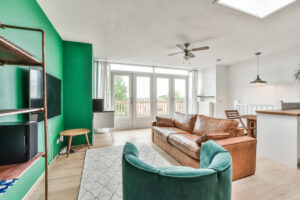


Plenty of property owners love the idea of earning short-stay income from a Gold Coast apartment while living somewhere else entirely, whether that’s interstate, overseas, or simply on the other side of town and too busy to be hands-on. The good news is that learning how to manage an Airbnb remotely is far more achievable than it sounds. With the right systems and a trusted team on the ground, you can keep bookings flowing and guests happy without ever needing to be there in person.
The catch is that distance has a way of exposing weak spots. Cleaners who don’t show up, a hot water system that fails at 9pm, or a lockout with no one nearby to help can quickly turn a relaxing arrangement into a stressful one. This guide walks through exactly how to set things up so your property runs smoothly from anywhere, and how to know when it’s worth handing the day-to-day to someone local.
Can You Really Manage an Airbnb Remotely?
Yes. Thousands of owners run successful short-stays without living anywhere near them. The shift is mostly about mindset: instead of being the person who physically does everything, you become the person who builds the systems and oversees the team that does. Done well, a remote setup can run more smoothly than a hands-on one, because you’re forced to put proper processes in place rather than firefighting as you go. The two pillars are simple to name and harder to nail: smart technology to handle the repetitive work, and reliable local people to handle anything physical.
Step 1: Build Your Tech Stack
Technology does the heavy lifting when you can’t be on site. At a minimum, you want a channel manager or property management system (PMS), which is software that syncs your calendar across Airbnb, Booking.com and any other platforms so you never get a double booking. The same tools let you set up automated guest messages, so check-in instructions, the Wi-Fi password and checkout reminders all send themselves at the right moment.
Dynamic pricing software is the other piece worth having. It adjusts your nightly rate automatically based on demand, local events and the seasons, which matters a lot on the Gold Coast where school holidays and events swing occupancy dramatically. As industry data platform AirDNA notes in its remote management guide, the right software lets a distant host respond as quickly as one living next door.
Step 2: Set Up Keyless, Contactless Check-In
Nothing undoes remote hosting faster than a key handover gone wrong. A smart lock with a keypad code solves this entirely. Guests get a unique code for their stay, you change it automatically between bookings, and no one is driving across town at midnight to meet a delayed flight. Platforms like Guesty highlight keyless entry as one of the three fundamentals of running a listing from afar. Pair it with a clear digital guidebook covering parking, appliances and house rules, and most guests will never need to contact you at all.
Step 3: Lock In a Reliable Local Cleaning Team
Housekeeping is your frontline defence against bad reviews, and it’s the hardest thing to fudge from a distance. A spotless turnover protects your rating; a missed one can sink it. You need cleaners who understand the short-stay turnaround pace, who can flag damage or missing items the moment guests leave, and who restock the essentials between stays. Ideally they report back with photos so you have eyes on the property after every checkout.
Finding and managing a dependable crew remotely is genuinely difficult, which is why many owners outsource it. Our Airbnb housekeeping and cleaning service handles same-day turnovers with hotel-quality linen supplied and changed every clean, so the standard never slips while you’re away.
Step 4: Line Up Maintenance and Emergency Support
Something will eventually break, and you can’t fix it from your couch. Plan for it before it happens. Build a short list of trusted local trades (a plumber, an electrician, a handyman) who can attend at short notice, and write simple playbooks for common scenarios: a guest lockout, a power outage, a blocked toilet, a noise complaint. For each one, note who to call and how much they’re authorised to spend without checking with you first, so a small problem never snowballs while you’re asleep in another time zone.
Step 5: Screen Guests and Protect Your Property
When you’re not there to read the room, who you let in matters more, not less. Sensible screening starts before a booking is confirmed: look for verified profiles, read reviews left by other hosts, and send a friendly message asking what brings guests to the area. Set your house rules clearly in the listing so expectations are obvious from the start.
This is where a firm policy pays off. We don’t accept party bookings, schoolies or hens and bucks groups, full stop, because those are the bookings most likely to damage a property and upset the neighbours. If managing all of this from a distance feels like a lot, our Airbnb guest management service takes over the screening, communication and round-the-clock guest support so you don’t have to field messages at all hours.
Step 6: Stay on Top of Gold Coast Compliance
This is the step most overseas and interstate owners forget, and it’s where the Gold Coast differs sharply from the US-focused advice you’ll find online. There’s no nightly cap and the city is one of Australia’s more host-friendly short-stay markets, but you still have obligations. Your property needs to sit in the correct council rates category, meet Queensland’s interconnected photoelectric smoke alarm rules, hold appropriate public liability insurance, and comply with pool safety requirements if it has a pool or spa.
If your apartment is in a strata building, check the body corporate by-laws too, as some buildings regulate short-term letting. The City of Gold Coast rental accommodation page is the right place to confirm current requirements, and any income should be declared at tax time. Getting this right from the start saves you backdated charges and penalties later.
Common Mistakes to Avoid When Managing Remotely
- Relying on a lockbox instead of a smart lock: codes hidden under planters get shared and forgotten, and they create exactly the lockout problems remote hosting is meant to remove.
- Having no backup cleaner: one crew is a single point of failure. When they’re sick or booked out, your turnover still has to happen.
- Underpricing the peaks: manually set rates almost always leave money on the table during Gold Coast holiday periods and major events.
- Ignoring the local rules: assuming overseas advice applies here is a fast way to a compliance headache.
When It’s Worth Handing the Day-to-Day to a Local Team
Self-managing remotely works, but it’s rarely as passive as people hope. Between guest messages, calendar oversight, restocking, coordinating cleaners and chasing trades, many owners find it quietly turns into a second job done from further away. If you’d rather your property simply earned its keep without the operational load, it can make sense to bring in a local manager.
That’s the gap full management fills. Our end-to-end Airbnb property management covers the entire operation, from listing and pricing through to cleaning, maintenance and guest support, all run by a small team on the Gold Coast who treat your property like our own. You keep the income and the oversight through a real-time owner portal, without the 2am phone calls.
Frequently Asked Questions
Can you manage an Airbnb 100% remotely?
You can run the listing, pricing, bookings and guest communication entirely from your phone or laptop. What you can’t do remotely is the physical work, so you’ll always need reliable local people for cleaning, restocking and repairs. The combination of good software and a trusted on-the-ground team is what makes full remote management work.
Do I need to live in the same city as my Airbnb?
No. Managing a property from another city, state or country is increasingly common. The setup is the same regardless of distance: automate the admin, use keyless check-in, and have local support ready for anything hands-on. The further away you are, the more it pays to have those systems airtight before your first guest arrives.
How much does it cost to have someone manage my Airbnb?
It varies with how much you hand over. A part-time local helper who only covers check-ins and turnovers costs less than full-service management, which takes care of everything for a commission on your earnings. The right question isn’t just the fee, but what your time is worth and how much more a professionally run listing can earn. A free assessment is the easiest way to see the numbers for your specific property.
What’s the most important tool for managing an Airbnb remotely?
If you only invest in one thing, make it a property management system or channel manager. It syncs your calendars, automates guest messaging and coordinates your cleaning schedule from a single dashboard, which removes the biggest risks of hosting from a distance. Smart locks come a close second.
Final Thoughts
Knowing how to manage Airbnb remotely comes down to building systems that run without you and a local team you trust to handle the rest. Get the technology, cleaning, maintenance, screening and compliance right, and your Gold Coast property can earn reliably whether you’re across the country or the world.
If you’d rather skip the setup entirely, we’re a Gold Coast team who does this every day. Request your free rental assessment and we’ll show you what your property could earn under proper management.